Since the dawn of the internet, Google has been the gold standard when it comes to finding an answer for a specific question. As the most commonly-used search engine, it is able to auto-populate searches based on what other people are currently searching for online. What the most popular Google searches are can say a lot about what is going on in the world at that time. Surprisingly, there are some searches in 2026 that look similar to the most popular searches of 2008.
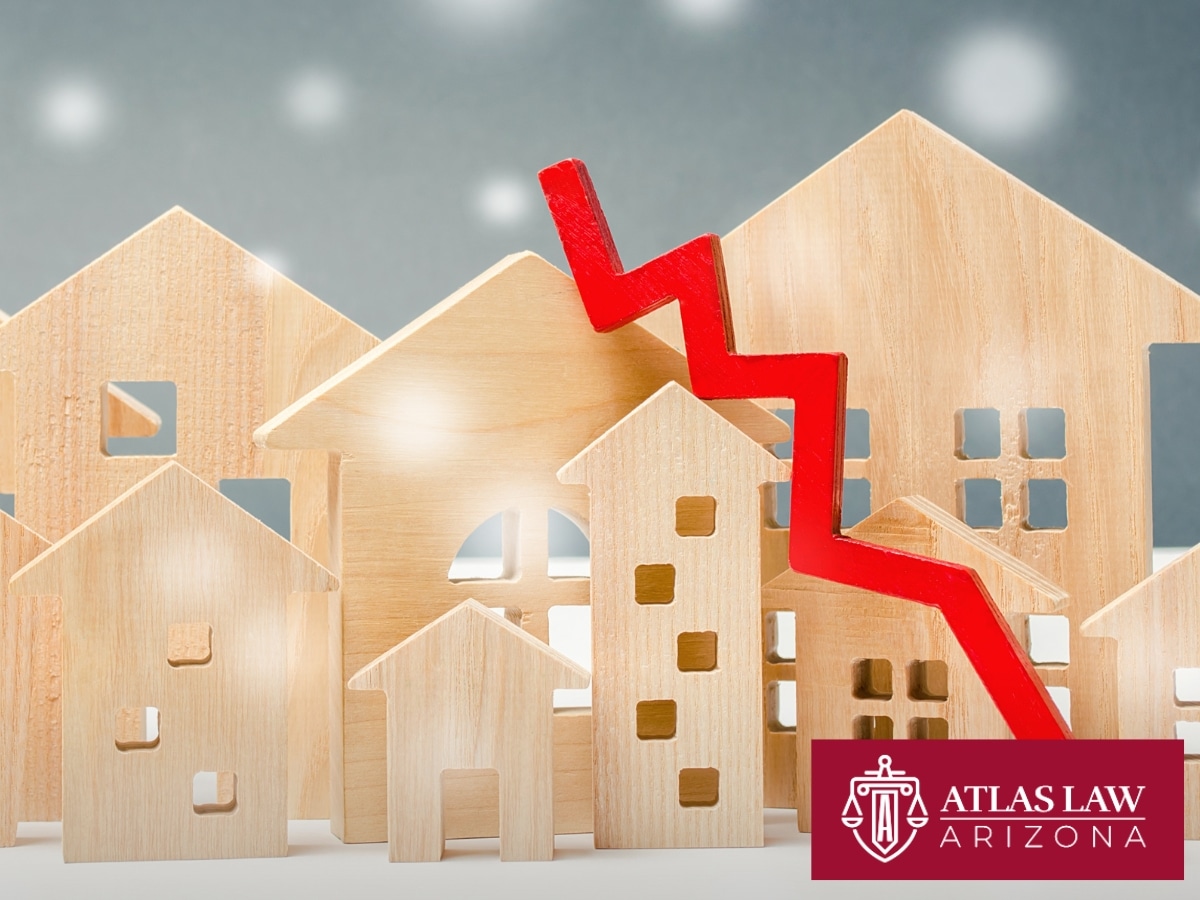
It should be news to no one that the current economy is rough for a significant portion of our population, we are currently in a cost-of-living crisis, and the housing market has been turbulent at least since the COVID-19 pandemic. Some homeowners are looking to sell their properties to downsize and potentially move to an area with a lower cost of living. But unless they bought their home at a particularly advantageous time, doing so in this day and age could cause a huge financial loss. Sustaining such a loss could lead to debt that spirals out of control. And more and more Americans are facing this possibility, indicated by a rise in the search for “can’t sell my home.” In 2026, that search term has increased to popularity levels beyond what was observed during the 2008 housing crisis. It has also increased in popularity since a high reached during the COVID-19 pandemic. This could be because there are approximately 44% more sellers than buyers on the market in 2026. When interest rates are as high as they are, it makes it more difficult to afford buying a home, and it reduces the advantage gained as opposed to renting.
A simple Google search could be a sign of larger things to come in the economy. People are struggling to sell their homes which they may be struggling to afford because buyers can’t afford to purchase homes. You’ve probably seen local businesses close their doors, some after decades of success with Arizona customers. But unfortunate financial circumstances can happen to anyone, which means that debt can also happen to anyone. If you are overwhelmed juggling debt payments that barely pay off interest, bankruptcy might help your situation. Call to discuss your potential filing with one of our Arizona bankruptcy lawyers today at 602-649-4949 for more information.
Stopping a Home Foreclosure with Bankruptcy
If a homeowner can no longer afford their mortgage payments and can’t find a buyer for their home, their mortgage in arrears could start stacking up quickly. Every mortgage contract will be different when it comes to what requirements must be met before the lender can proceed with a home foreclosure. But state law always gives the homeowner time to address the foreclosure before they are removed from their home. Bankruptcy could be a viable option for a homeowner looking to temporarily or permanently stop a home foreclosure, which will eat up any equity remaining in the home.
There are two main forms of consumer bankruptcy: chapter 7 bankruptcy and chapter 13 bankruptcy. Both will stop the home foreclosure process, although one is preferred over the other when that is the bankruptcy’s primary purpose. Chapter 7 is the most popular form of bankruptcy among consumer debtors, but its powers are limited when stopping a home foreclosure. Chapter 7 bankruptcy only clears unsecured debts, or those without an asset, such as a home, attached as collateral. These types of debts, including a home mortgage, are secured debts. The automatic stay from filing for chapter 7 bankruptcy will still stop a home foreclosure, but that protection only lasts as long as the case does, which is generally at most several months. Additionally, the lender may be successful in a motion to proceed with the foreclosure despite the automatic stay, especially if the debtor is far enough behind on their payments that catching up is unrealistic. But if the debtor is not that far behind on payments or has another plan to catch up, chapter 7 bankruptcy may buy them just enough time to save their home without the commitment required from chapter 13 bankruptcy.
Chapter 13 bankruptcy is the preferred type of consumer bankruptcy for a homeowner looking to stop a home foreclosure. It focuses on secured and priority debts, rather than ignoring them like in chapter 7 bankruptcy. Depending on the debtor’s income level, they will have 3 or 5 years to pay off those debts, plus bankruptcy costs and unsecured debts to the extent that they can afford. So however far behind on their monthly mortgage payments will be spread out over 3 or 5 years rather than a few months like in chapter 7 bankruptcy. The homeowner will be current on payments when their case is discharged, giving the lender no cause for continuing foreclosure proceedings. But chapter 13 bankruptcy is more complicated than chapter 7, and the success rates are much lower- especially for debtors who represent themselves.
Another benefit for homeowners who file for chapter 13 bankruptcy is the potential for lien stripping. This process is only available in chapter 13 bankruptcy, not chapter 7 bankruptcy. This is when a homeowner can clear secondary mortgages on their home without surrendering the home. The home must be underwater, or the homeowner must owe more in mortgage loans than the home’s market value, to qualify for lien stripping. Despite the longer time frame for chapter 13 bankruptcy, this could make it a highly valuable option for a homeowner facing insurmountable debt.
Just because chapter 13 is the more traditional approach to fighting a home foreclosure doesn’t mean that chapter 7 bankruptcy can’t help someone facing debt stemming from housing market issues. Clearing unsecured debts can leave more money in that person’s budget to pay the secured debts that remain after bankruptcy. But the automatic stay can alleviate financial issues by stopping the following collection actions besides home foreclosure:
- Asset repossession, including vehicle repossession
- Creditor lawsuits and judgments
- Wage garnishment
- Bank levy
- Utility shutoff
- Eviction (before the possession stage)
- Creditor calls
Arizona’s Homestead Exemption
If a delayed home sale has led you to file for bankruptcy, it’s likely that you will need to apply the homestead exemption to protect your assets. Exemptions are protections designed for specific types of assets necessary for the debtor to maintain a reasonable standard of living after bankruptcy discharge. In chapter 7 bankruptcy, assets without exemptions protecting them can be taken by the bankruptcy trustee, who will sell them at auction to pay back creditors. In chapter 13 bankruptcy, assets without exemptions can increase how much a debtor must pay into their plan each month.
Arizona’s homestead exemption currently protects $400,000 equity in a bankruptcy debtor’s home. There are some limitations to what counts as a home under Arizona’s homestead exemption. A house, condo, and townhome all count, as does a mobile home and the land situated under it. But a motor home does not qualify for protection in either chapter of bankruptcy under Arizona’s homestead exemption. However, the homestead exemption can be used to protect the cash proceeds of a home sale in bankruptcy for up to 18 months after that sale.
Start Your Arizona Bankruptcy Journey Today
Many people will turn to bankruptcy if the housing market continues to worsen. The best way to get ahead of creditor collection efforts is by educating yourself about your options early. Atlas Bankruptcy Lawyers offers free consultations by phone so you can conveniently discuss your options with an experienced professional. Eligible clients can file for bankruptcy with Zero Dollars Down. Learn more today with your free consultation at 602-649-4949 for more information.